GPT-4.1 Now Available in ChatGPT
OpenAI has officially announced that GPT-4.1 is now directly available in ChatGPT. This model excels at coding tasks and following instructions, making it an excellent alternative to o3 and o4-mini.
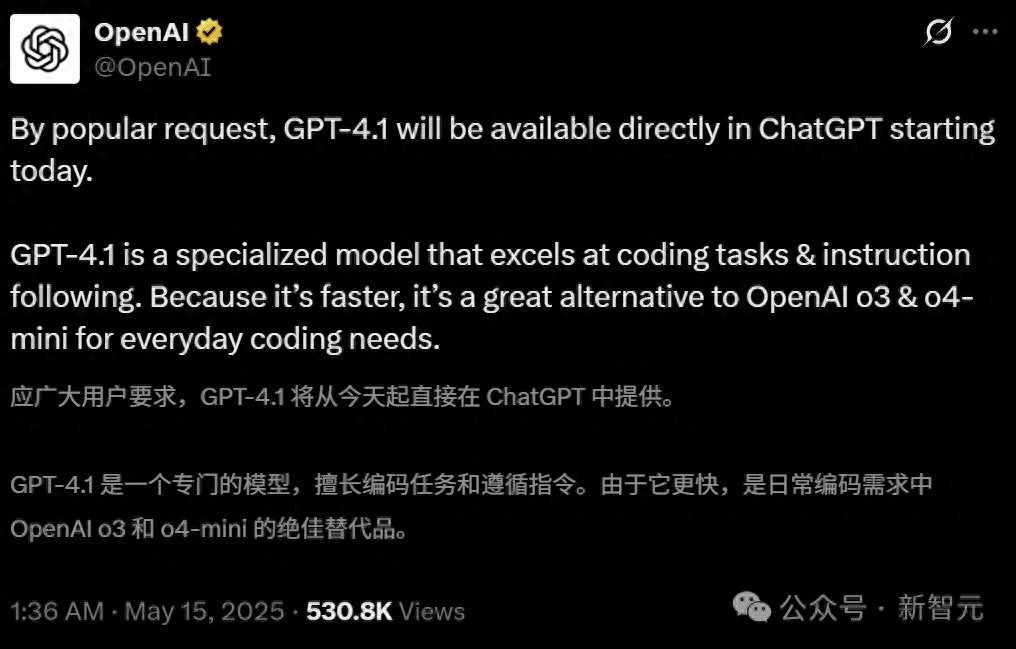
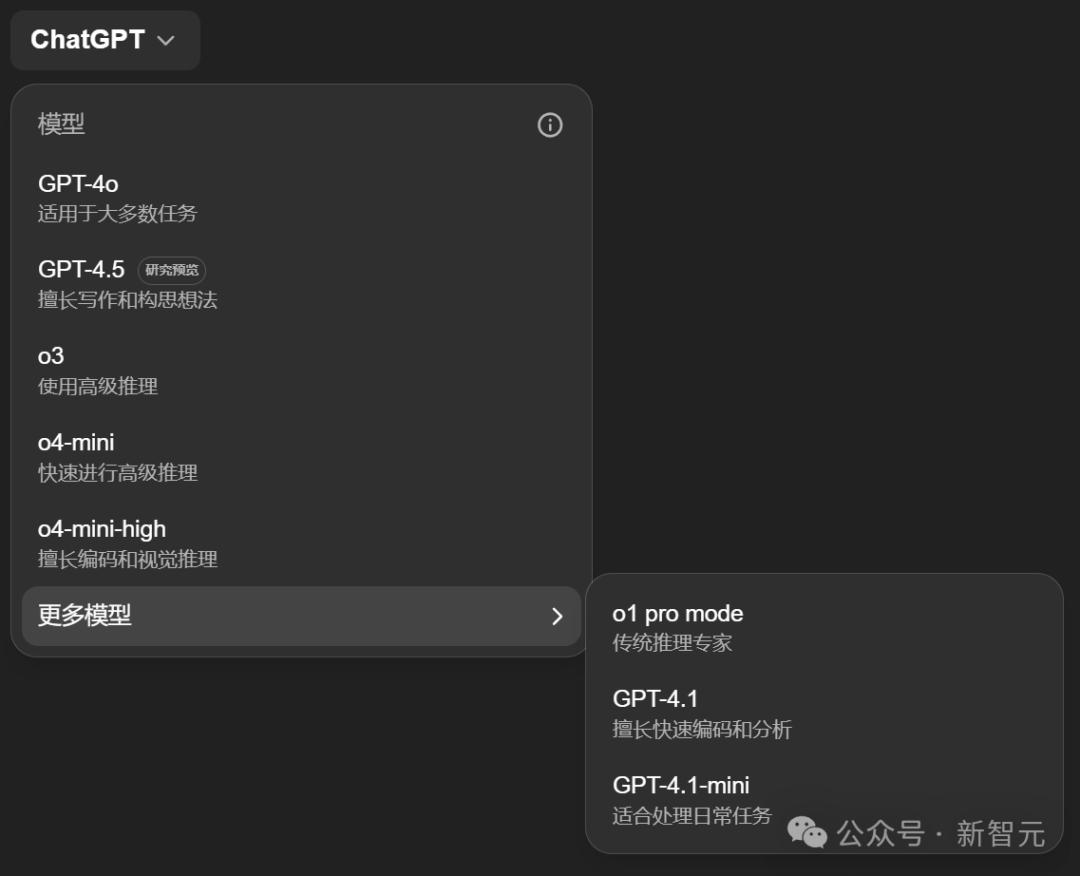
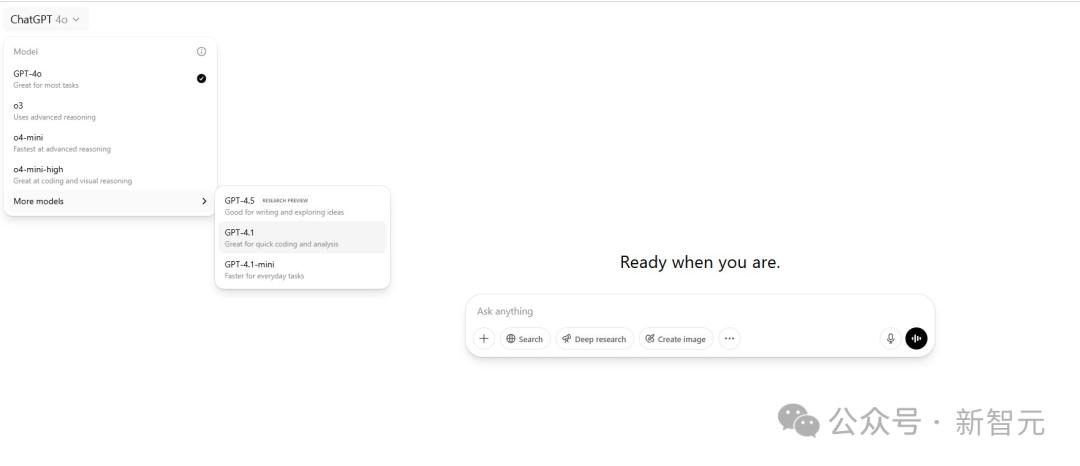
A month ago, GPT-4.1 was only accessible to developers via API. Now, Plus, Pro, and Team users can access GPT-4.1 through the model selector’s “More Models” dropdown menu. Enterprise and educational users will gain access in the coming weeks.
OpenAI also plans to introduce GPT-4.1 mini in ChatGPT to replace GPT-4o mini for all users.
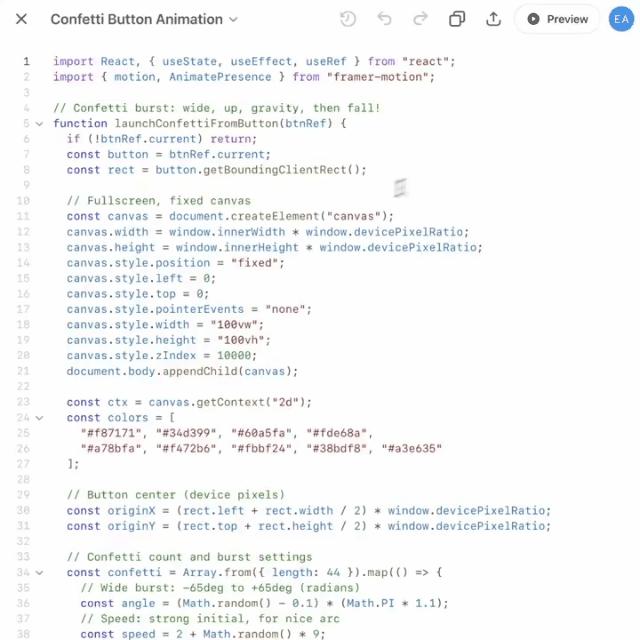
With its long context capabilities, users can now input entire code segments into GPT-4.1 for analysis.
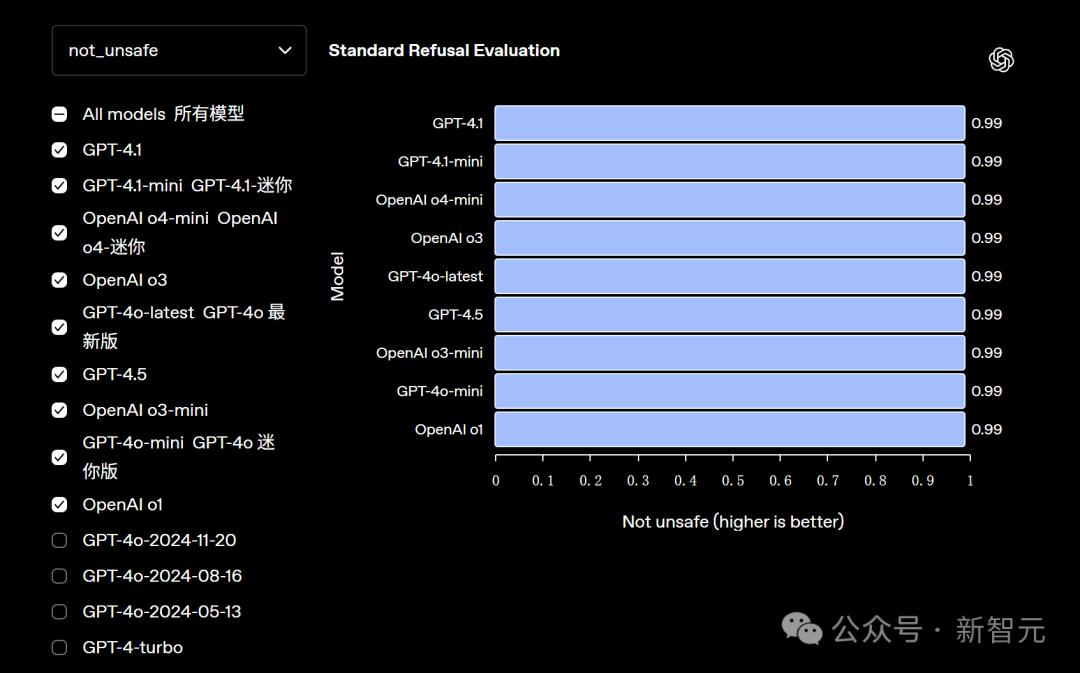
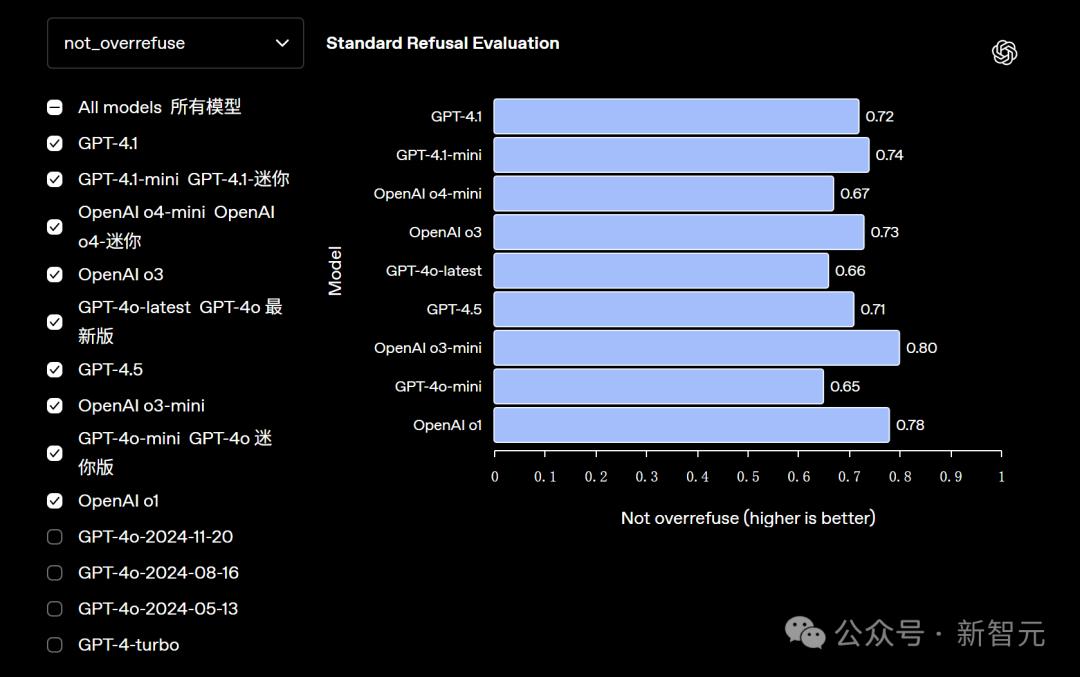
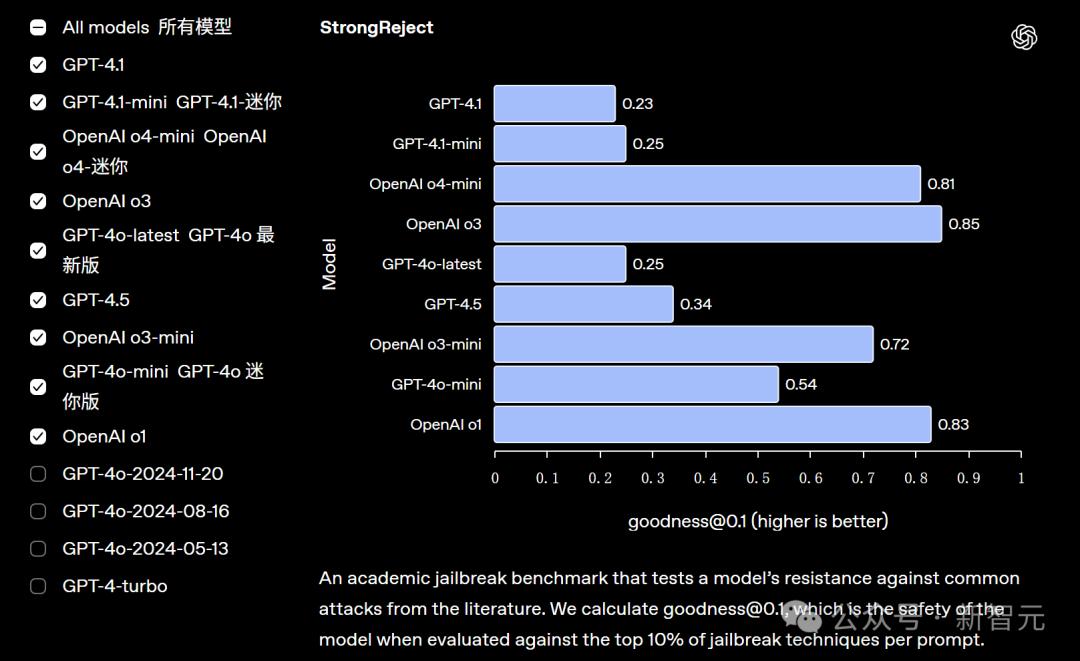
Both GPT-4.1 and GPT-4.1 mini have passed OpenAI’s latest safety assessments, ranking highly in two evaluations:
- not_unsafe: Checks if the model produces unsafe outputs according to OpenAI policies.
- not_overrefuse: Evaluates if the model follows benign requests.
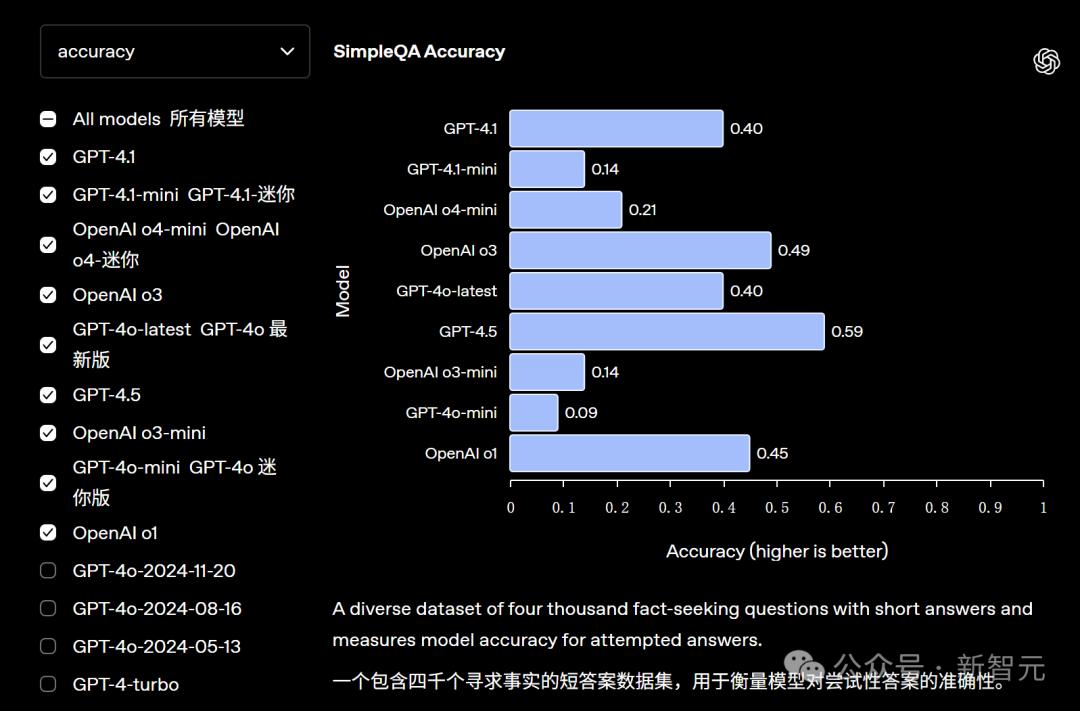
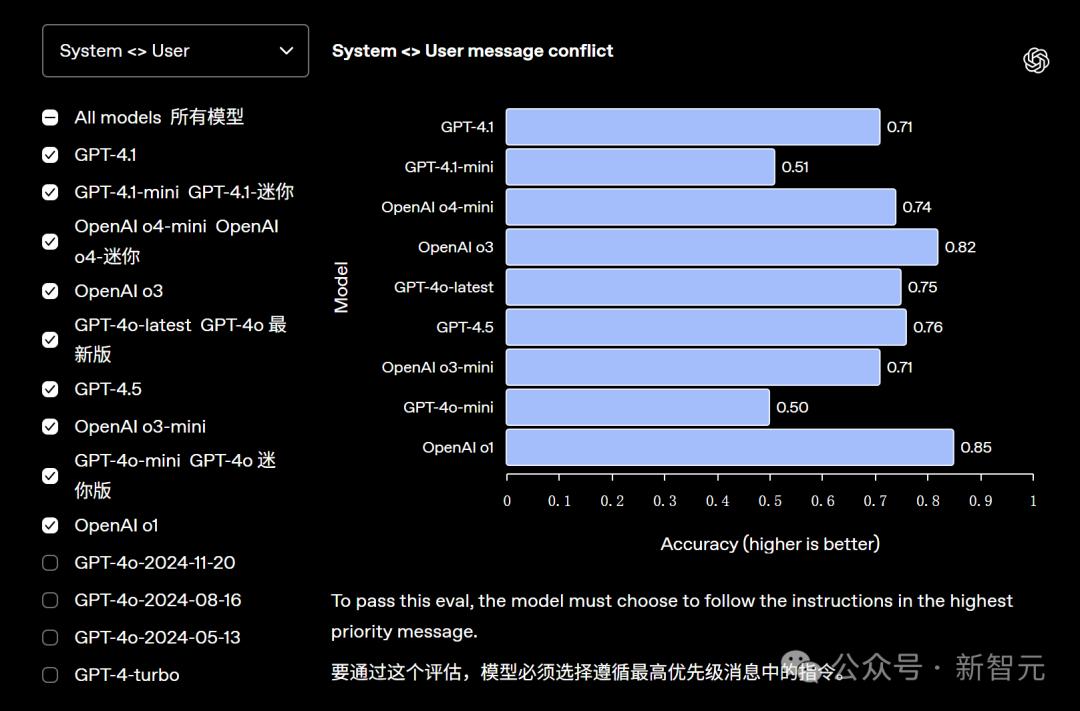
GPT-4.1 also performed well in hallucination assessments and instruction-following, but showed weaker results in jailbreak evaluations.
GPT-4.1: Better than GPT-4.5?
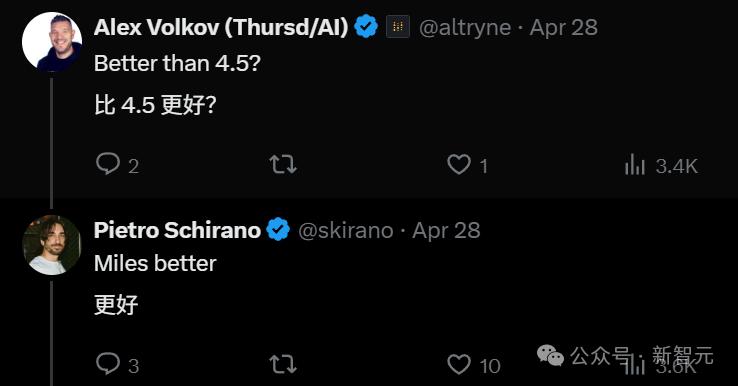
The release of GPT-4.1 responds to user demand. Users had previously expressed disappointment that GPT-4.1 was not available in ChatGPT despite being their favorite OpenAI model.
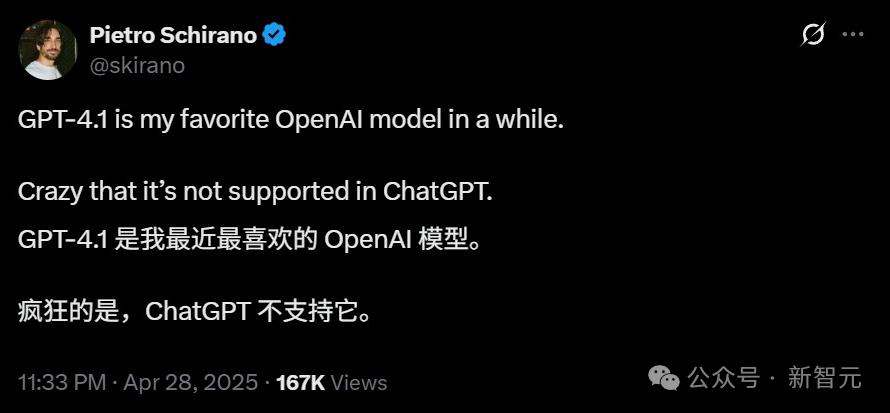
Many developers have stated that aside from the early version Quasar Alpha, GPT-4.1 is the best coding model they have tested.
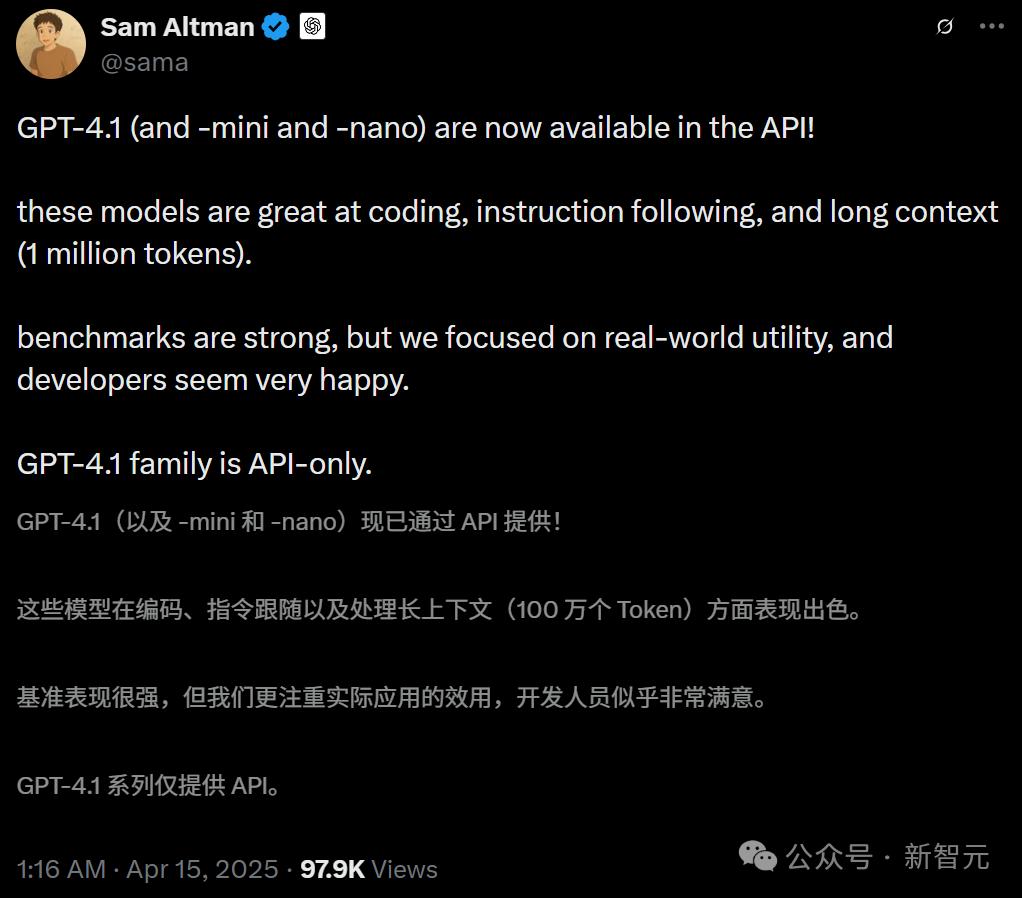
OpenAI recently launched a new series of models for developers: GPT-4.1, GPT-4.1 mini, and GPT-4.1 nano. All these models feature a massive context window of up to 1 million tokens, significantly surpassing GPT-4o and GPT-4o mini in core capabilities such as code generation and instruction following, with knowledge updated to June 2024.
Testing: Large Code Tasks Successfully Completed
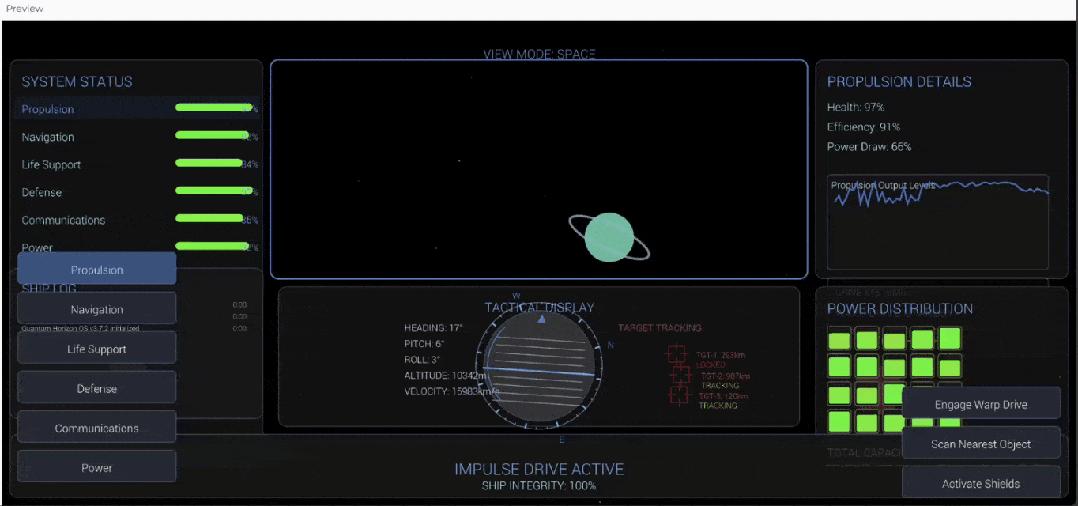
With many ChatGPT users now able to use GPT-4.1, numerous tests have emerged online. For instance, Wharton School professor Ethan Mollick tested GPT-4.1 with a challenging coding prompt.
“Please create a piece of code I can directly paste into p5.js that will astonish me as if it were the control panel of a futuristic starship.”
GPT-4.1 performed exceptionally well.
Another developer found GPT-4.1 surprisingly effective while handling a large coding task that the default model could not process at all. GPT-4.1 not only completed the task faster but also cleaned up unused code from the entire file.
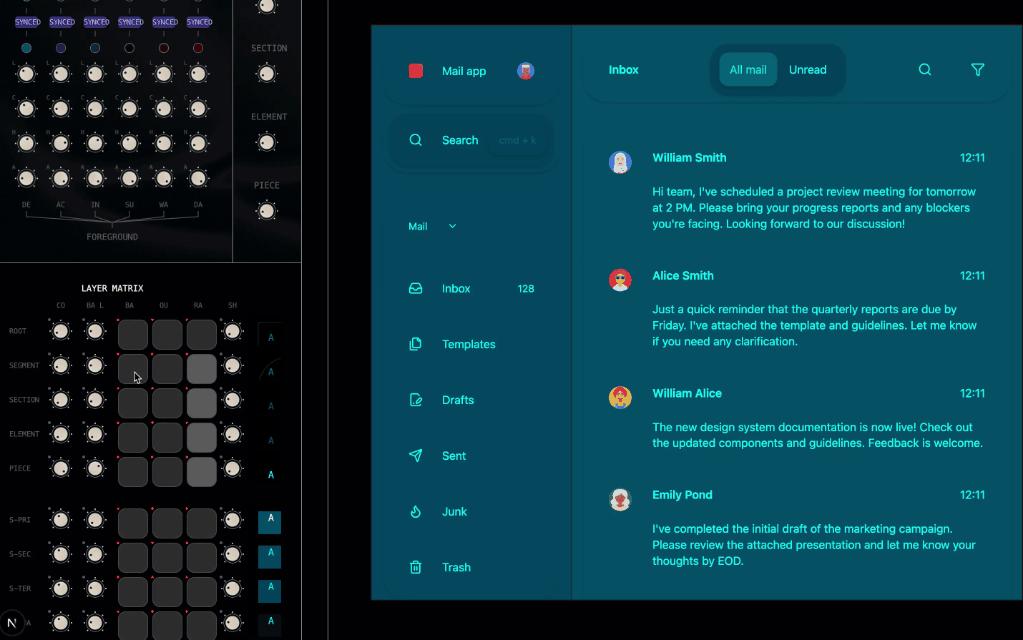
Tests revealed that GPT-4.1 achieved new heights in code generation speed. For example, it generated a blog homepage in just a few seconds.
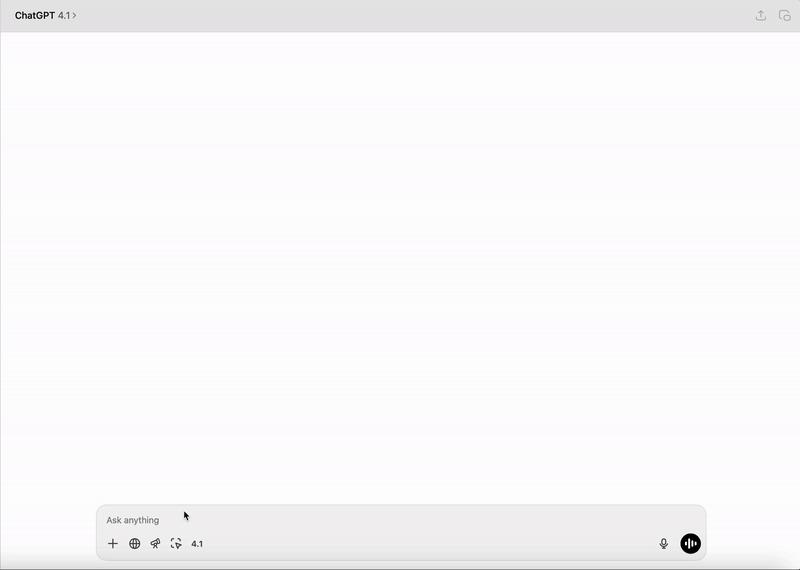
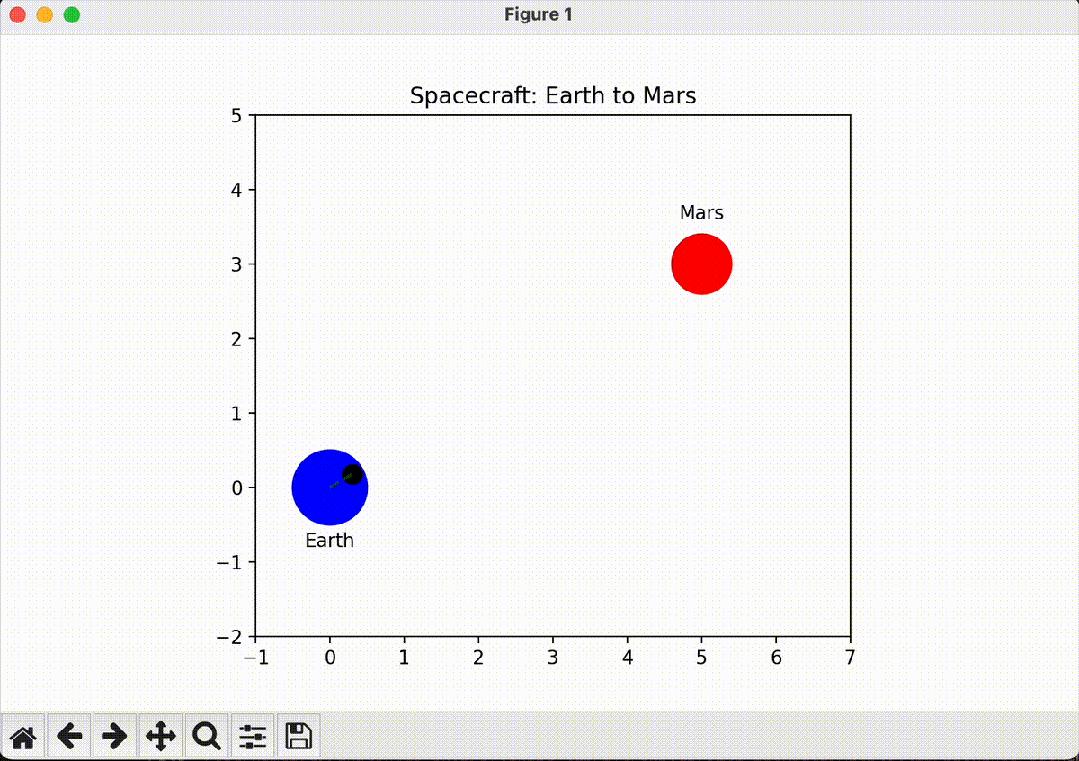
When tasked with creating an animation of Earth traveling to Mars using Python, GPT-4.1 delivered the output almost instantaneously.
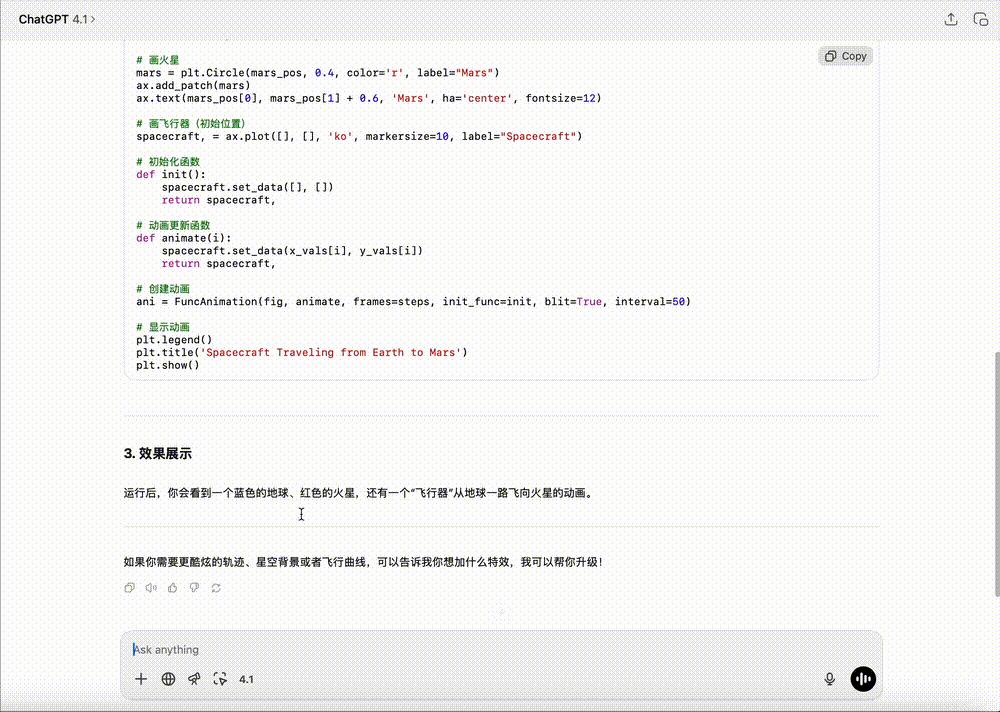
The results were promising, showcasing a fundamental improvement in GPT-4.1’s speed.
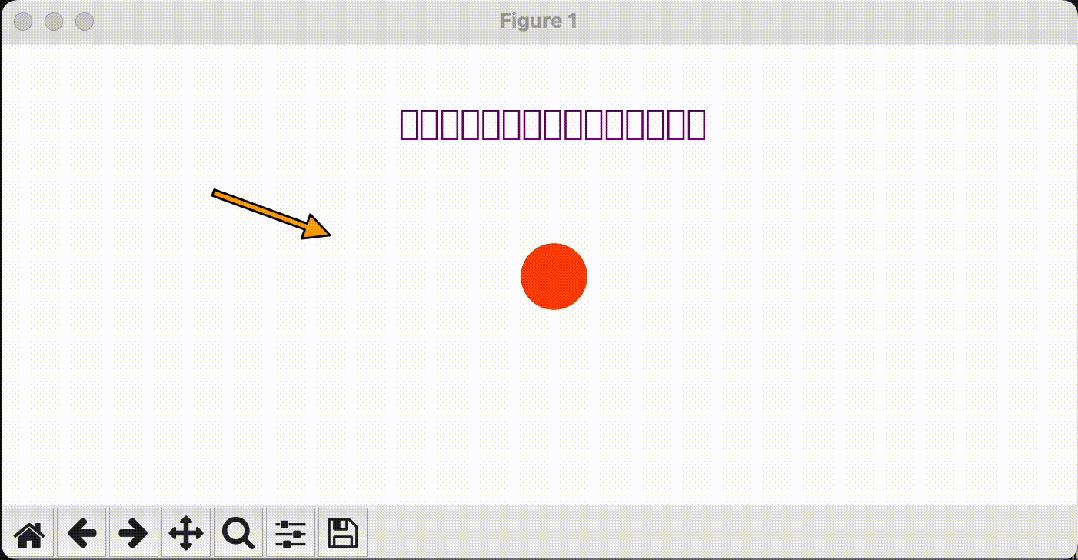
In another challenge, GPT-4.1 was asked to explain quantum entanglement through animation.
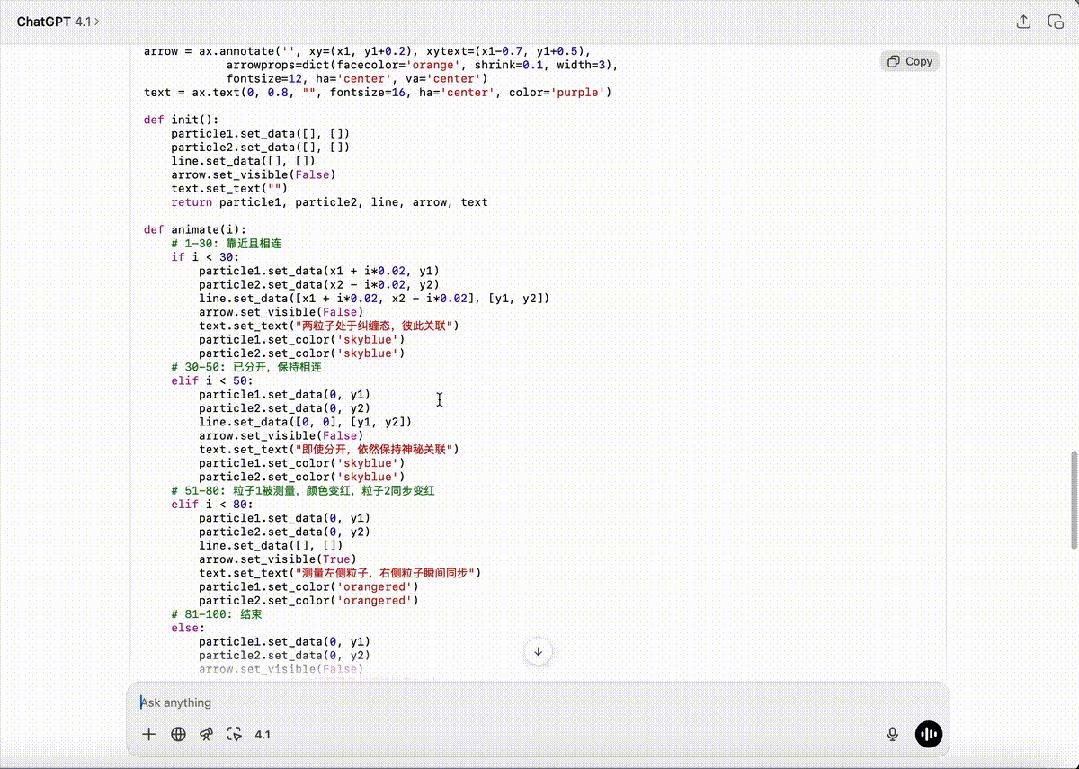
Preliminary results indicated that GPT-4.1 grasped the concept of quantum entanglement well.
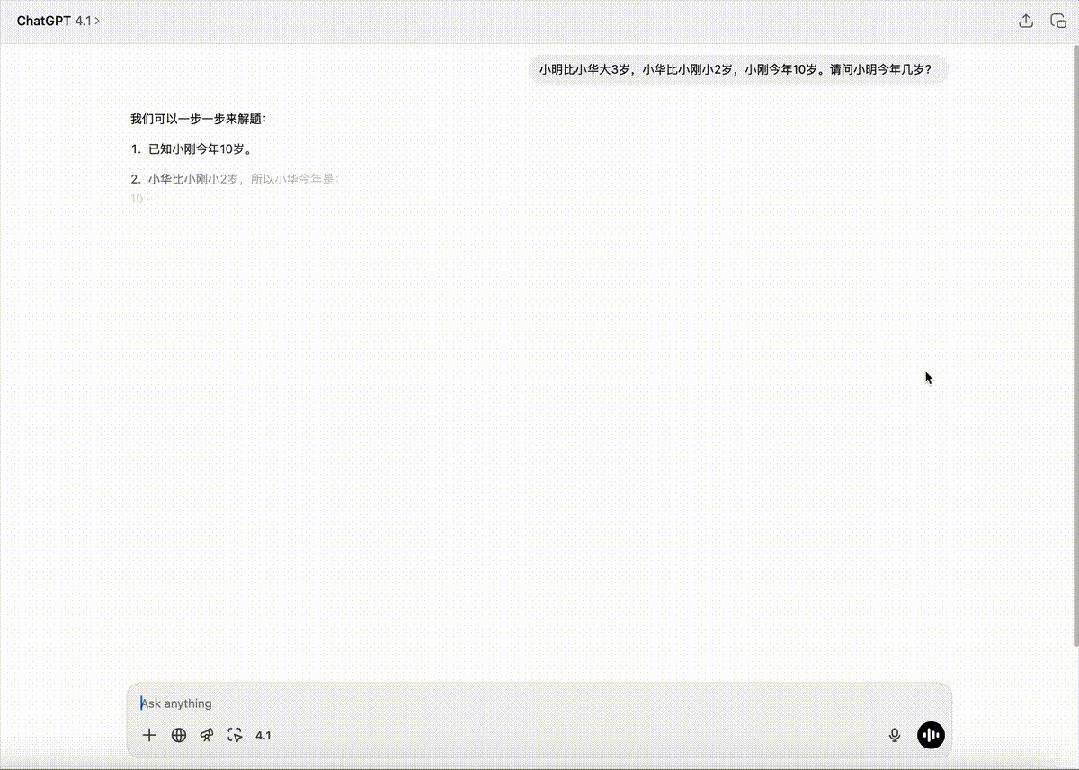
For reasoning tasks, GPT-4.1 also excelled. For example, in a multi-step age calculation problem, its logic was very rigorous.
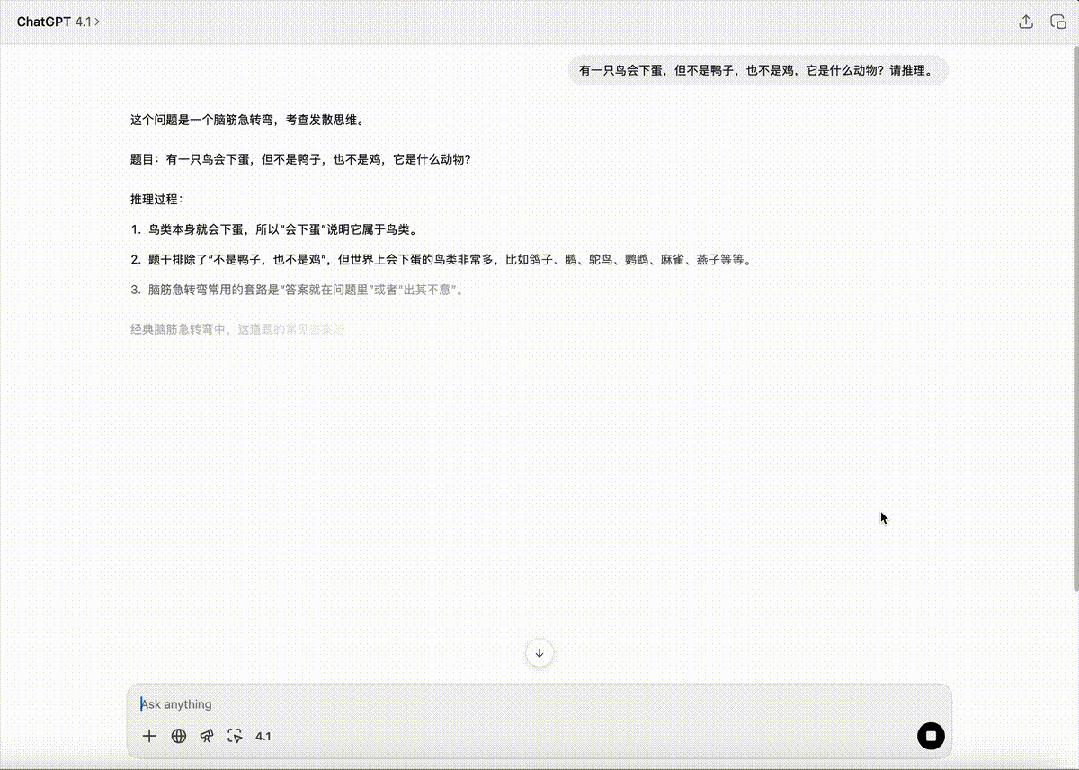
When faced with lateral thinking or riddles, GPT-4.1 quickly completed the reasoning, although the answers were quite amusing.
User Disappointment: No 1M Context Version
However, after trying GPT-4.1, many users expressed disappointment. Although OpenAI released GPT-4.1, it did not include the 1 million context window API version.
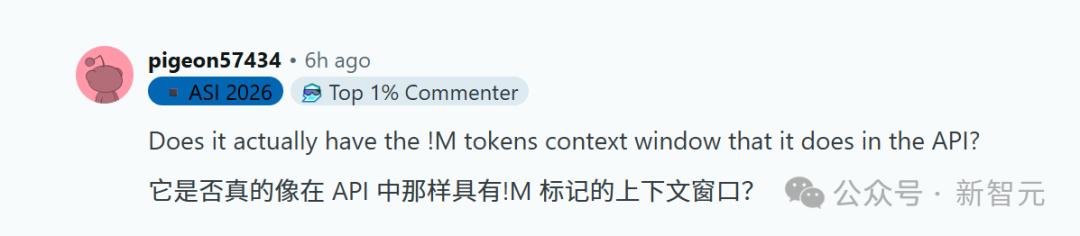

Users had hoped to use GPT-4.1 in ChatGPT for its long context window, but now they can only look forward to GPT-5 providing such a feature.
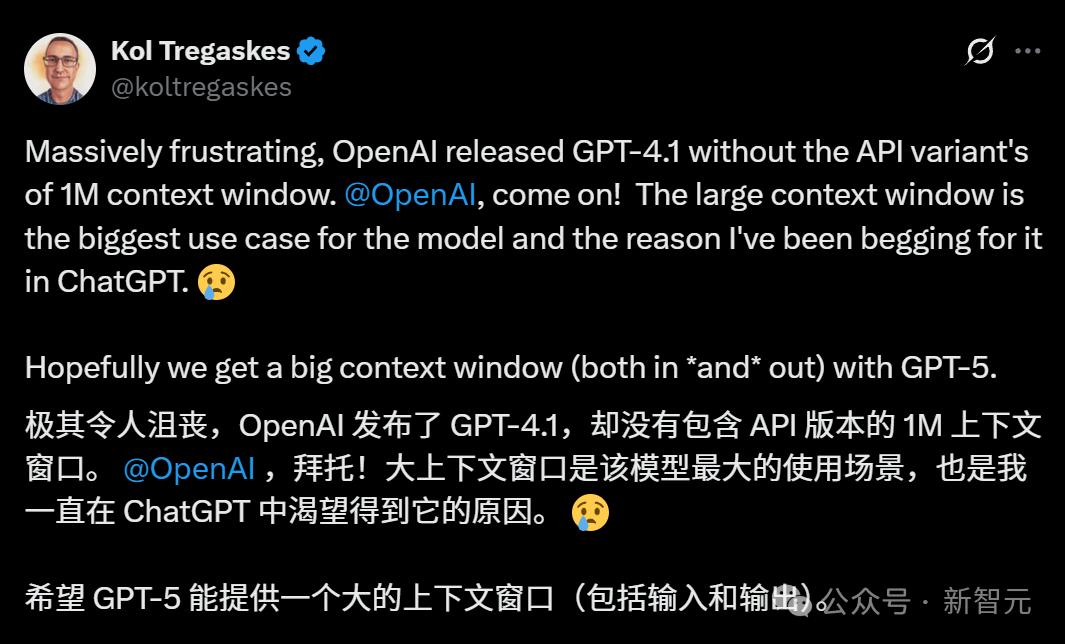
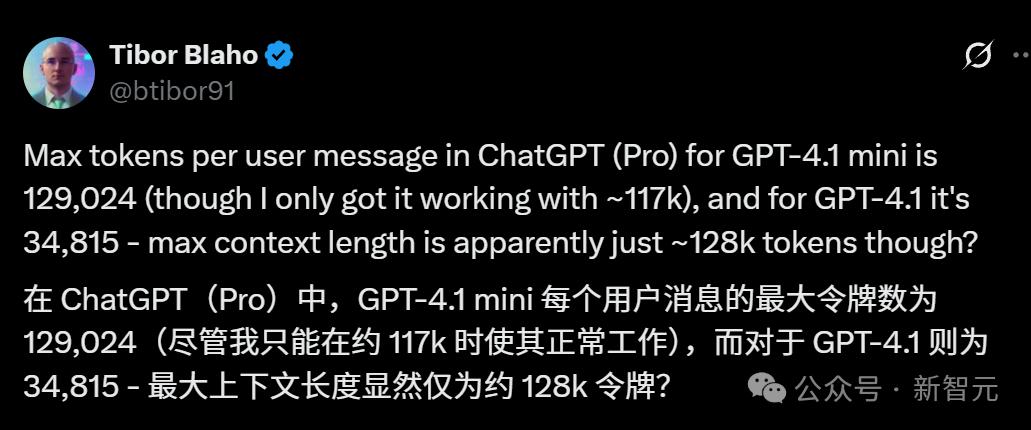
Indeed, many have noted that the maximum context length for GPT-4.1 in ChatGPT (Pro) seems to be only 128k tokens, far from the 1 million tokens available in the API. This indicates that OpenAI has not lifted the limits in GPT-4.1.
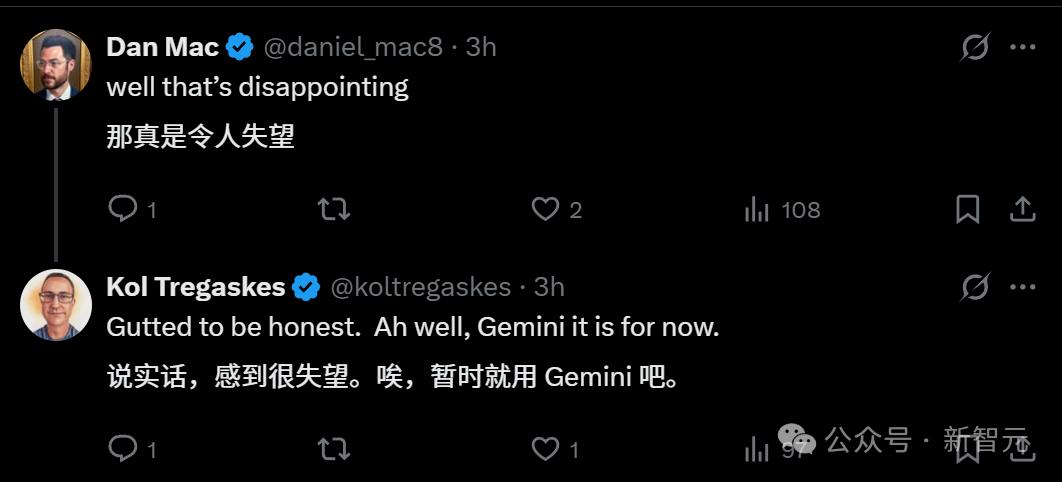
Overall, this has left many feeling disappointed. It seems they will have to turn to Gemini instead.
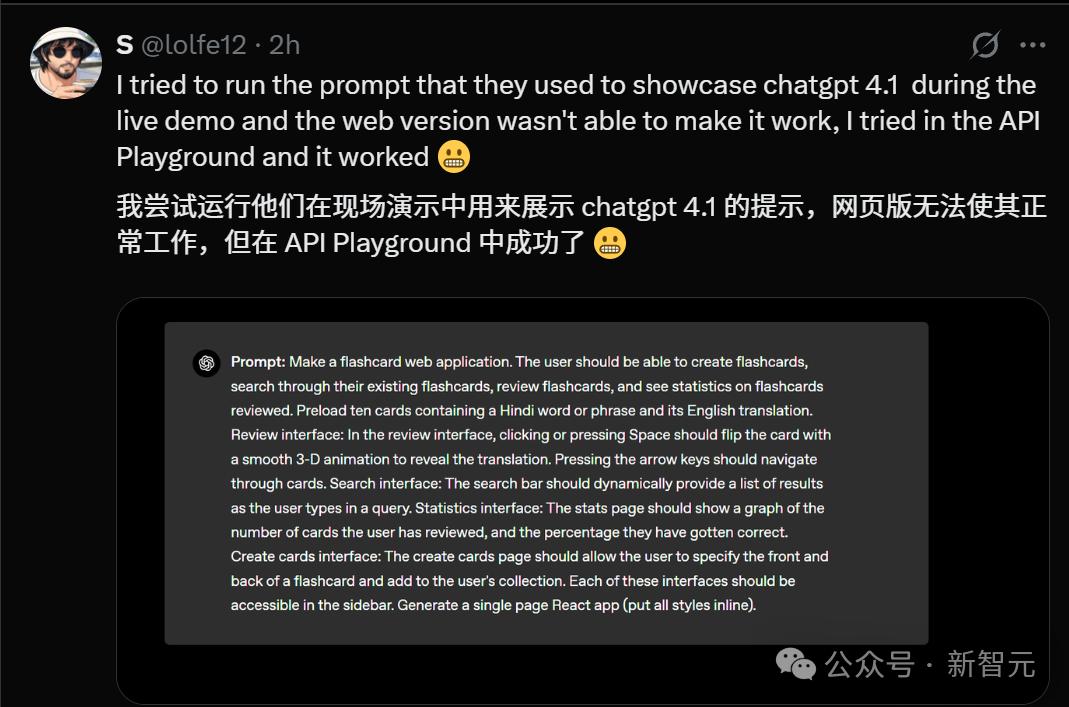
Some users discovered a “highlight” when trying to run prompts used in a live demonstration of ChatGPT 4.1; they failed to run successfully on the web version but succeeded in the API Playground.
Others mentioned they had just programmed an AI assistant using GPT-4.1, which is now available in ChatGPT.
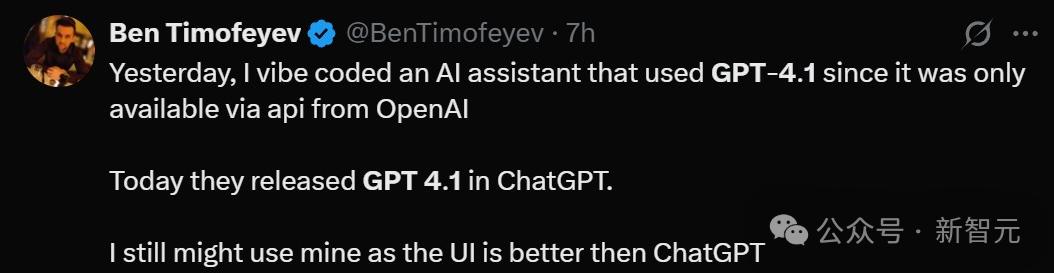
However, they still prefer their assistant due to a better user interface than ChatGPT.
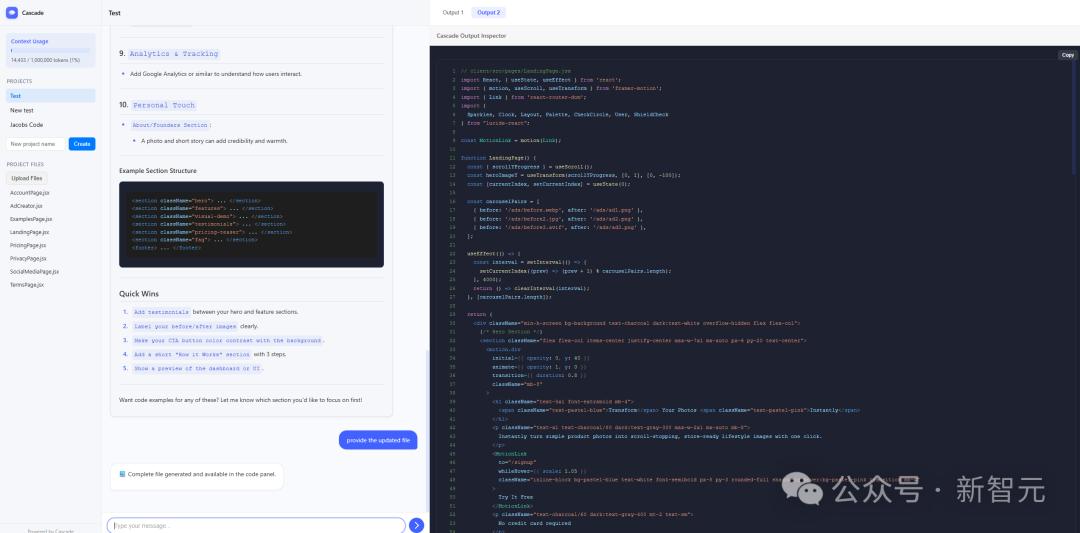
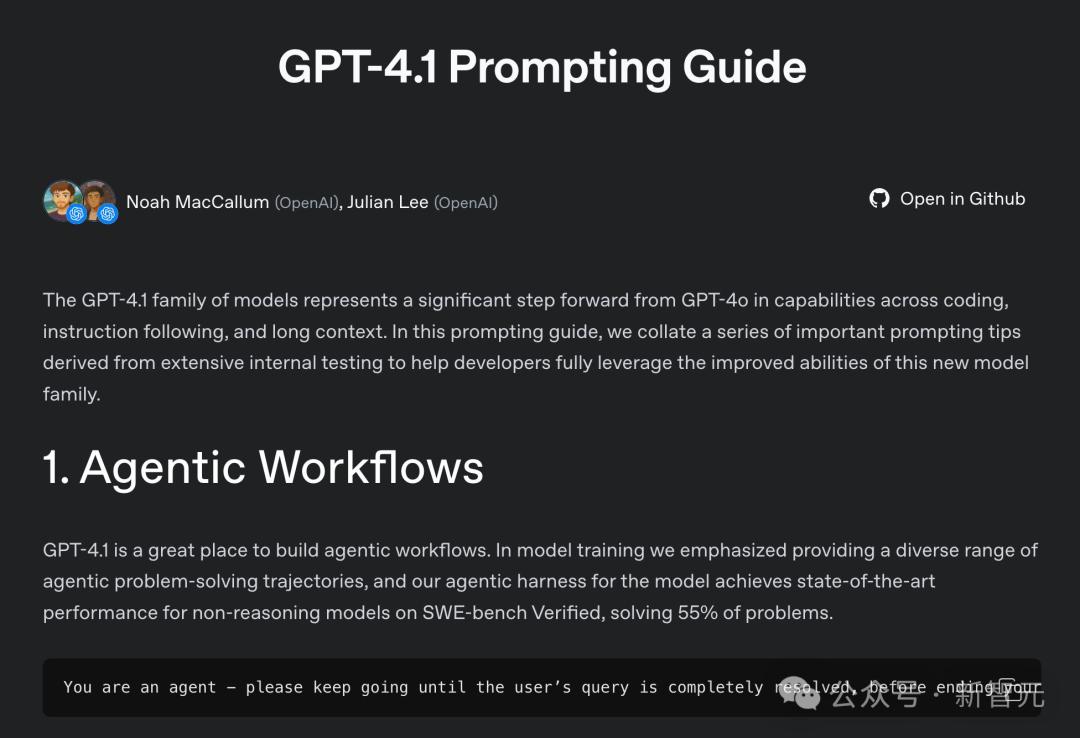
OpenAI has previously released a prompt guide for GPT-4.1, summarizing important prompt techniques derived from internal testing. Interested users can refer to this guide for practical usage.
Comments
Discussion is powered by Giscus (GitHub Discussions). Add
repo,repoID,category, andcategoryIDunder[params.comments.giscus]inhugo.tomlusing the values from the Giscus setup tool.